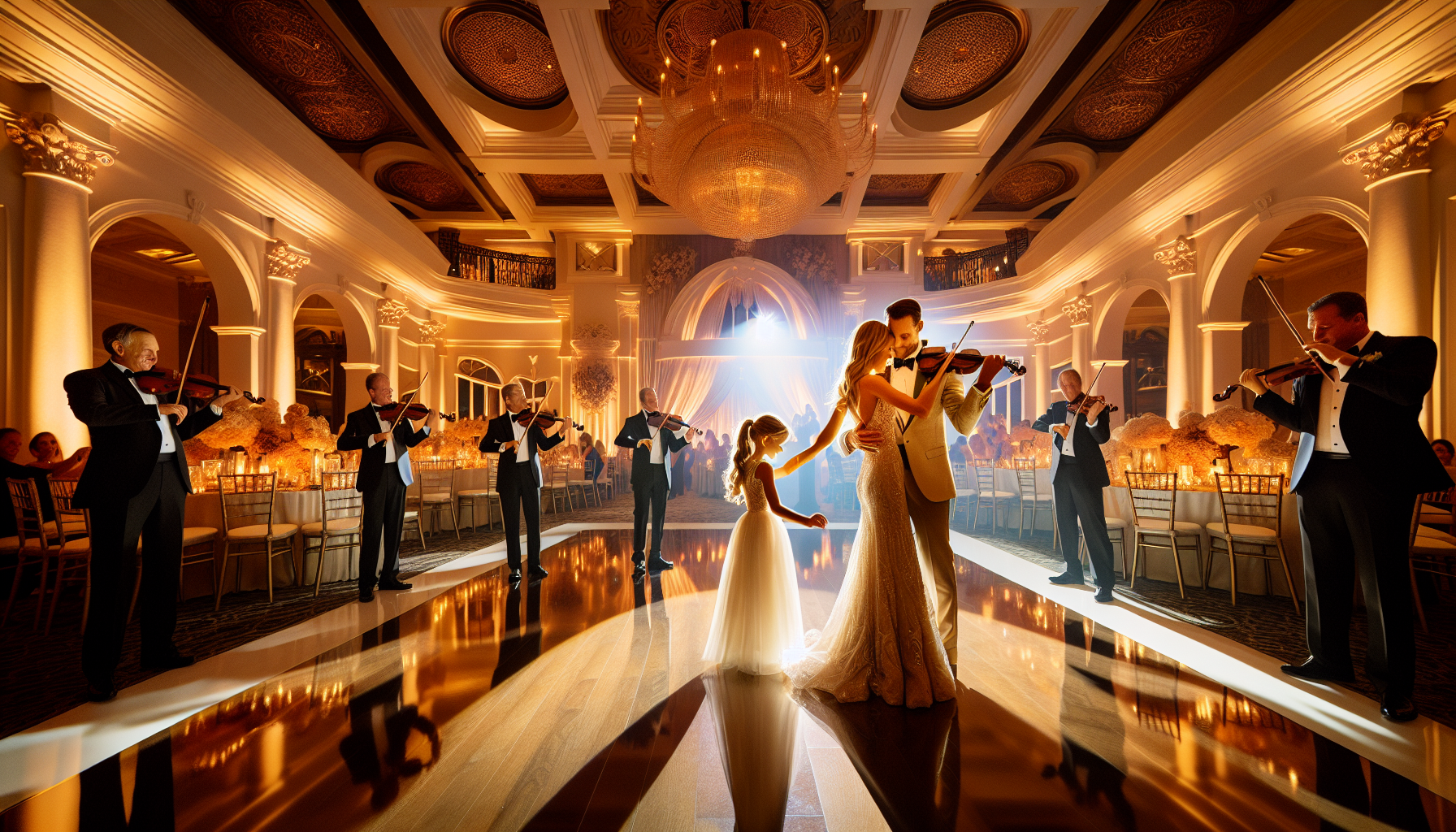
For a lot of couples, the first dance gets all the attention. But the parent dances are often the moments that hit guests the hardest. A mother-son dance or father-daughter dance can change the emotional temperature of the whole reception. It can feel intimate, grateful, and deeply human. It can also feel stiff, awkward, or longer than expected when no one plans for it properly.
That matters at weddings across Palm Beach, West Palm Beach, Boca Raton, Delray Beach, Jupiter, Wellington, and South Florida, where receptions often move quickly and expectations are high. Beautiful venues, strong photography, and elegant décor do not automatically make a parent dance feel comfortable. What does is thoughtful preparation.
The good news is that these dances do not need to look performative to feel beautiful. In fact, the best parent dances usually feel simple, sincere, and relaxed. Here is how to help them feel natural from the first step to the final hug.
Start with the emotional goal, not the choreography
The biggest mistake people make is assuming the dance needs to be impressive. It does not. A parent dance is not supposed to feel like a showcase. It is supposed to feel like a moment.
Before anyone picks a step or a song edit, decide what you want the room to feel. Warm? Joyful? Elegant? Lighthearted? Reflective? Once that is clear, the rest gets much easier. If the emotional goal is connection, then the movement only needs to support that connection. Nobody in the room is hoping for a complicated routine. They are hoping the moment feels real.
Choose a song that supports comfort
People often choose a song based only on lyrics or nostalgia, then realize too late that the tempo makes the dance harder than it needs to be. A song may be meaningful, but if it is rhythmically awkward, extremely slow, or much too long, the moment can start feeling tense.
For most parent dances, a clear rhythm and a manageable length work best. Around ninety seconds to two and a half minutes is usually enough. Long enough to feel special, short enough to stay graceful. If the full song matters emotionally, you can still use a shortened edit for the reception and keep the full version for private listening later.
If you are unsure what will actually feel good on the floor, a few private dance lessons can solve that quickly. The right song often becomes obvious once people try moving to it.
Keep the movement simple and intentional
Simple does not mean boring. It means controlled. A parent dance usually looks best when the steps are easy enough that the people dancing can stay present with each other. Clean walking patterns, gentle turns, sways with structure, and a graceful entrance and ending are often more effective than trying to add too much.
That is especially true when one person has never danced before. Overloading the moment with technique creates self-consciousness. A few polished elements create confidence. Guests remember that confidence much more than they remember exact steps.
At Gala Ballroom, we often see that once the basic structure feels secure, the emotion naturally comes forward. Shoulders drop. Breathing settles. Smiles stop looking forced. That is the point where a dance starts reading as elegant instead of rehearsed.
Build around the parent, not around an idealized wedding image
Parent dances work best when they respect the actual person dancing. Think about mobility, comfort level, height difference, shoes, and personality. Some parents are playful and social. Others are reserved. Some love the spotlight. Others would rather disappear if the dance feels too exposed.
The plan should match the person, not fight them. If someone has limited mobility, that does not mean the moment cannot be beautiful. It simply means the choreography should emphasize poise, timing, and emotional warmth rather than travel or spins. If someone is nervous, the practice process should reduce pressure rather than increase it.
This is one reason in-home preparation can be so valuable. Practicing in a private setting lets people get comfortable without feeling watched, which makes the final result much stronger.
Think about the entrance, exit, and handoff
Many awkward parent dances are not awkward because of the dancing itself. They are awkward because of the transitions. How does the couple get into the center of the floor? Where does the parent stand before the music starts? Does the DJ or band know exactly when to fade out? Is there a handoff into another dance, a welcome speech, or dinner service?
These details matter. A smooth entrance makes everyone feel more secure immediately. A clear ending prevents the final thirty seconds from feeling uncertain. If you are also planning featured entertainment or a bigger reception arc, your performance flow should support those moments instead of competing with them.
Even a graceful pause before and after the dance can make the whole reception feel more expensive and intentional.
Practice enough to feel calm, not over-rehearsed
There is a sweet spot with parent dances. Too little practice and people feel exposed. Too much practice and they can start trying to “get it right” instead of enjoying it. Usually, a small number of focused sessions works better than endless repetition.
The goal is not robotic precision. The goal is familiarity. People should know how they are starting, what the core pattern is, and how they are finishing. Once that foundation is there, the rest can stay soft and natural.
This is especially useful for weddings in Palm Beach County, where schedules fill up quickly in the final weeks. A compact, efficient prep plan is much more realistic than hoping everyone will suddenly find time for extensive rehearsals.
Do not underestimate the atmosphere around the dance
The feeling of a parent dance is shaped by more than movement. Lighting, room noise, emcee timing, and live music all affect how intimate the moment feels. A polished room helps people settle in emotionally. That is part of why couples often pair dance preparation with elegant music planning, including live violin for key points in the evening.
When the environment is warm and well-paced, even a very simple dance can feel unforgettable. When the room is chaotic, even good choreography struggles. The moment should feel framed, not rushed.
The most memorable parent dances feel honest
If you remember one thing, let it be this: nobody is looking for perfection. They are looking for heart. The most successful mother-son and father-daughter dances are the ones that feel emotionally true to the family, comfortable for the people involved, and thoughtfully guided so no one has to wing it in front of a full ballroom.
That is why preparation matters. Not to make the dance flashy, but to make it easier to relax enough for the real moment to come through.
If you are planning a wedding in South Florida, a little private coaching can make one of the most emotional parts of the reception feel smooth, elegant, and genuinely enjoyable.